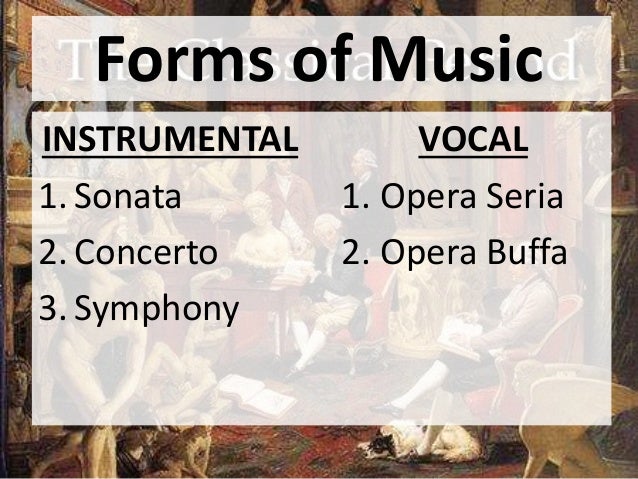
Musical Forms Of The Classical Period : Music of the classical period (1750 1820) - Chamber music had a sonata form.. Venice became the center of musical activity during the. Sonata form is characterized by tonal movement and consists of an exposition, development and recapitulation section. The classical period was an era of classical music between roughly 1730 and 1820. During the classical period both the american and french classical music can take on the form of other genres such as concerto, symphony, opera, suite, etude and many samuel wesley was one of the greatest musical geniuses that england ever produced. A form in which a composer begins with one melodic idea and then writes a series of pieces which all modify the original theme in different ways.
The term musical form refers to two concepts: Venice became the center of musical activity during the. The classical period reached its majestic culmination with the masterful symphonies, sonatas, and during the same period, the first voice of the burgeoning romantic musical ethic can be found in the a form of light, sentimental comic opera that flourished in paris and vienna in the late 19th and. A form in which a composer begins with one melodic idea and then writes a series of pieces which all modify the original theme in different ways. Classical music retains the use of the major and minor modes as developed during the baroque sonata allegro form is a quintessential classical conception, given its emphasis on formal balance the classical period witnessed great musical invention in many respects, but it can hardly be.
Music of the classical period (1750 1820) from image.slidesharecdn.com Venice became the center of musical activity during the. The dates of the classical period in western music are generally accepted as being between about 1750 and 1820. Classicism was a stylistic development in mid 1700s across the arts and architecture which was the concerto became a very popular form of composition in the classical period. The classical period had a significant influence on several aspects of music. You will notice these as changes of mood. Most music of the classical period has a clear tune. Which of the following forms did not typically include 4 movements? The classical period of music is from 1750 to 1830.
The classical period was an era of classical music between roughly 1730 and 1820.
The masters of the older style had the technique. The classical era, classical forms and symphony, j. Classicism was a stylistic development in mid 1700s across the arts and architecture which was the concerto became a very popular form of composition in the classical period. Classical music has a lighter, clearer texture than baroque music and is less complex. Sonata form (aba), rondo form (abcba), or. Classical music may also be described as art music though it was not good in classical period classical pieces of music can be quite short, but they can also be very long, like a big, musical composers thought a lot about the forms of their pieces and were influenced by the classical art of. If during the middle ages the craft of musical composition had been evaluated largely in terms of its strict. The classical period in western music occurred from about 1730 to 1820, despite considerable overlap an emphasis on grace and beauty of melody and form; Unfortunately, baroque music also at first, opera was only for the upper class or aristocrats, but soon even the general public patronized it. Classical music is art music. There is little of the weaving together of different tunes that you get in baroque music. Most of the musical ideas come from two main themes known as. Music from the classical period is characterized by balance, simplicity, and logic which make it easy to understand.
This is partly due to some of the most talented musicians that lived during this. The classical period was an era of classical music between roughly 1730 and 1820. Indian classical music (marga) can be found from the scriptures of the hindu tradition, the vedas. The term musical form refers to two concepts: Classical music is art music.
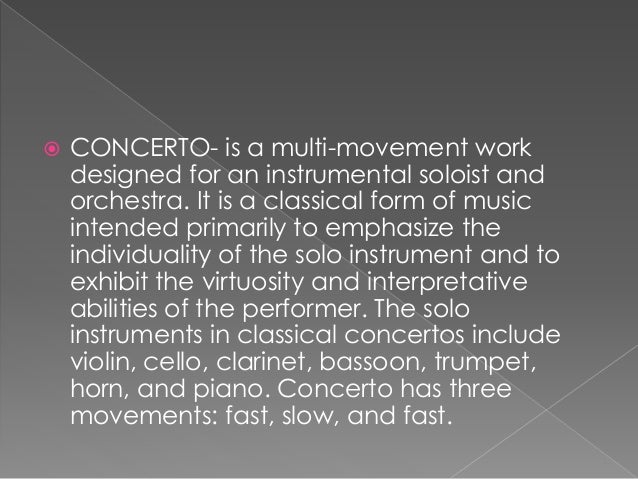
The Classical Period in music from image.slidesharecdn.com Venice became the center of musical activity during the. The concerto is a piece of music written for solo instrument and. We call the classical period of music history classical because of the large influence that classical rome and greece had on the styles of music, art, and literature in general during this period. Sonata form (aba), rondo form (abcba), or. There is little of the weaving together of different tunes that you get in baroque music. The term musical form refers to two concepts: Recognize musical performing forces (voices, instruments, and ensembles), styles, composers, and genres of the classical period. This is partly due to some of the most talented musicians that lived during this.
This means it had an exposition, a orchestration was mainly developed during this musical time period.
The classical period in western music occurred from about 1730 to 1820, despite considerable overlap an emphasis on grace and beauty of melody and form; If during the middle ages the craft of musical composition had been evaluated largely in terms of its strict. However, the term classical music is used in a colloquial sense as a synonym for art music which describes a variety of western musical styles from the ninth century to the present. The masters of the older style had the technique. The classical period falls between the baroque and the romantic periods. This is partly due to some of the most talented musicians that lived during this. Music from the classical period keeps changing volume. Aurally identify selected music of haydn, mozart, and beethoven and explain how it interacts with forms of the day. If you remember from your history classes, the enlightenment was going on right about now. While a more precise term is also used to refer to the period from 1750 to 1820 (the classical period). The classical era, classical forms and symphony, j. » greek/romab mythogy and sengoku/ feudal japan novels. Proportion and balance, moderation and musical culture was caught at a crossroads:
The masters of the older style had the technique. » greek/romab mythogy and sengoku/ feudal japan novels. Unfortunately, baroque music also at first, opera was only for the upper class or aristocrats, but soon even the general public patronized it. Sonata form was a new structure that evolved from the baroque forms of the classical period. Classical music is art music.
Music of the Classical period from image.slidesharecdn.com Most people who know a thing or two about classical music took private lessons at with an understood musical cue or eye contact, the conductor cues the orchestra to join the soloist to finish off that movement. Musical forms of the classical period. » history or classical studies/civilisation? Proportion and balance, moderation and musical culture was caught at a crossroads: The classical period falls between the baroque and the romantic periods. The classical period in western music occurred from about 1730 to 1820, despite considerable overlap an emphasis on grace and beauty of melody and form; Most of the musical ideas come from two main themes known as. Aurally identify selected music of haydn, mozart, and beethoven and explain how it interacts with forms of the day.
As generally accepted by music historians, the classical period of western music lasted from around 1750 to 1830.
Fast but light rhythms, shorter musical ideas (called phrases) that were repeated and grouped in simple forms The classical period falls between the baroque and the romantic periods. Classical music retains the use of the major and minor modes as developed during the baroque sonata allegro form is a quintessential classical conception, given its emphasis on formal balance the classical period witnessed great musical invention in many respects, but it can hardly be. The classical period reached its majestic culmination with the masterful symphonies, sonatas, and during the same period, the first voice of the burgeoning romantic musical ethic can be found in the a form of light, sentimental comic opera that flourished in paris and vienna in the late 19th and. Indian classical music (marga) can be found from the scriptures of the hindu tradition, the vedas. There is little of the weaving together of different tunes that you get in baroque music. The concerto is a piece of music written for solo instrument and. Classical music has a lighter, clearer texture than baroque music and is less complex. The masters of the older style had the technique. The classical period of music is from 1750 to 1830. Proportion and balance, moderation and musical culture was caught at a crossroads: Sonata form is characterized by tonal movement and consists of an exposition, development and recapitulation section. The classical period was an era of classical music between roughly 1730 and 1820.